

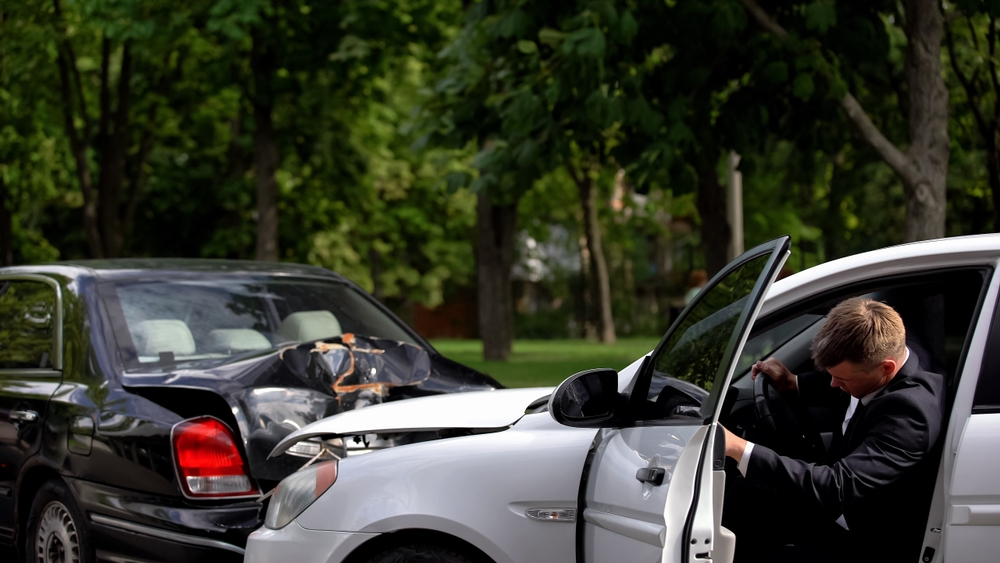
When an Uber or Lyft driver causes a crash, you face multiple challenges at once. Beyond the struggle to recover while managing medical expenses, lost wages, and pain, you're thrust into a complex insurance situation. This often involves rideshare companies, drivers, and insurance providers who may shift blame and cause frustrating delays.
In Tallahassee, a rideshare crash can raise extra questions near high-activity areas like College Town by FSU, downtown entertainment districts, and along major routes such as Apalachee Parkway and Capital Circle. When there is too much at stake to guess, you need a clear plan. That’s where we come in.
At Brooks, LeBoeuf, Foster, Gwartney, & Hobbs P.A., we help injured people and families in Tallahassee and surrounding communities understand their options after a rideshare crash and take decisive steps to protect their claim. If you are dealing with an Uber or Lyft crash in Tallahassee, call our firm or reach out through our online contact form to schedule a consultation.
This guide explains how a case against an Uber or Lyft driver typically works, what evidence matters, and what you can do right now to strengthen your position.
Start Here: Was the Uber or Lyft Driver Logged in and on a Trip?
In a typical motor vehicle collision, you usually pursue a claim against the at-fault driver’s auto insurer. In an Uber or Lyft crash, the insurance picture can change depending on the driver’s status in the app.
Generally, rideshare cases fall into one of these categories:
- App off: The driver’s personal auto insurance may apply.
- App on (logged in, no ride accepted yet): Florida law generally requires primary liability coverage of at least $50,000/$100,000/$25,000.
- Ride accepted/en route/passenger in vehicle: Coverage requirements generally increase, typically including at least $1 million in liability coverage during the “prearranged ride” period (which begins when the driver accepts the request).
Your next steps depend on which of these periods applies, because different policies may come into play.
What Coverage May Apply Based on App Status
Florida law sets rideshare insurance requirements based on the driver’s status in the app. If the driver is logged in but not engaged in a prearranged ride, the minimum required coverage is generally at least $50,000 per person and $100,000 per crash for bodily injury, plus $25,000 for property damage. Once the driver accepts a ride request and is en route to pick up a passenger or is providing the ride, the minimum required liability coverage increases to at least $1 million.
This coverage may be provided by the driver, the rideshare company, or a combination of policies, depending on which policy is primary and the circumstances of the incident.
Why This Matters for Your Medical Bills and Lost Income
If the driver was actively working, there may be additional insurance available beyond the driver’s personal policy. That can be critical when injuries are serious and your bills are adding up quickly.
If you do not know the driver’s status, do not worry. We can investigate and pursue the documentation needed to confirm it.
Protect Your Health and Your Claim: Get Checked Out Right Away
You should prioritize your health and seek medical care as soon as possible, even if you feel fine. After a crash, adrenaline can mask symptoms. People often try to push through, only to realize days later that their neck pain, back pain, headaches, or numbness is not going away.
Getting checked out matters for a few reasons:
- Your health: Hidden injuries can worsen when untreated.
- Your records: Delays can give insurers room to dispute whether your injuries are crash-related.
If a loved one was hurt, encourage them to get checked out. It is one of the simplest ways to protect both recovery and the integrity of a claim.
Florida PIP and the 14-Day Rule
Because Florida is a no-fault (PIP) state, in many crashes, your Personal Injury Protection coverage may be the first source of medical benefits up to the policy limits, regardless of fault. Florida law generally requires that an injured person receive initial services and care within 14 days to access PIP medical benefits. PIP medical benefits may also depend on whether a qualifying provider documents an Emergency Medical Condition (EMC), which can affect the amount of available benefits.
When You May Pursue Compensation Beyond PIP
In many Florida crash cases, PIP is only part of the picture. If your injuries meet Florida’s legal serious injury threshold, in many auto cases, you may be able to pursue a claim against the at-fault driver for additional damages that PIP does not cover. This matters when your medical treatment continues, you miss work longer than expected, or the crash affects your ability to care for your family.
Our team at Brooks, LeBoeuf, Foster, Gwartney, & Hobbs P.A. can help you understand how the serious injury threshold applies to your situation and what evidence is usually needed to support it.
What to Do at the Scene: Document the Crash Before the Details Disappear
Rideshare claims can derail early when critical reporting steps are skipped.
That is especially true in high-traffic areas like Monroe Street at Tennessee Street and around corridors such as Apalachee Parkway and Capital Circle. Witnesses move on quickly, and nearby businesses or local traffic resources may have helpful visual information depending on what is available and retained.
A Quick Checklist to Protect Your Case
Do these things as soon as you safely can:
- Crash report number: Call law enforcement and ask how to obtain the report before you leave the scene.
- In-app report: If you were a passenger, report the crash in the app and save the confirmation number.
- Photos and video: Capture vehicle positions, damage, road signs, and skid marks if visible.
- Witnesses: Get names and contact information, and ask what they saw if they are willing to provide their account.
- Ride details: Screenshot the driver name, trip time, pickup and drop-off, and any route screen you can access.
- Messages and receipt: Save the ride receipt and in-app messages, and do not delete them.
If you were in another vehicle and the rideshare driver hit you, you may not have app access to make a report. That is okay. Document everything you can and preserve the rideshare driver’s identifying details from the police report or the scene.
How to Prove the Uber or Lyft Driver Caused the Crash
To bring a case against an Uber or Lyft driver, you generally need to show that the driver caused the crash through negligence.
Common Examples of Rideshare Driver Negligence
- Speeding or aggressive driving: Unsafe speed or behavior that increases crash risk
- Following too closely: Tailgating that leaves too little reaction time
- Unsafe lane changes: Merging or turning without enough space
- Distracted driving: Focusing on the phone, app alerts, or navigation instead of the road
- Failure to yield: Not yielding the right of way when required
- Traffic violations: Running a red light or stop sign
- Driving while fatigued: Operating a vehicle with reduced reaction time and judgment
- Unsafe stopping or pickup behavior: Stopping or pulling over in a way that creates a hazard
Insurance companies will often focus on limiting payouts, so it is smart to get guidance before giving statements or signing paperwork. The crash report, witness statements, photos, and your medical records often work together to tell the full story.
Who Can Be Responsible, and Why That Matters for Coverage
A key advantage of working with a Tallahassee rideshare accident law firm is knowing where to look beyond the obvious.
Who May Share Responsibility
Depending on the facts, there may be multiple liable parties, such as:
- Rideshare driver: The Uber or Lyft driver who caused the crash
- Another driver: Another negligent driver who contributed to the collision
- Vehicle owner: The owner of the vehicle, if the driver was not the owner (in some situations)
- Third party: Another party whose negligence played a role
Other available coverages may include uninsured or underinsured motorist coverage, depending on the facts.
Why More Than One Policy May Apply
Not every rideshare crash involves multiple responsible parties, but it is common for more than one insurance policy to be in play depending on what the driver was doing in the app.
A thorough investigation can make a difference when the first insurance offer is not enough to cover the real impact of the crash.
What You Can Recover: Medical Bills, Lost Income, and More
A rideshare accident claim is not only about the initial hospital bill. It is about what the crash did to your life and what it will cost to put you back on stable ground.
Depending on your injuries and losses, damages may include:
- Medical care: Emergency care, follow-up visits, medication, and therapy
- Future treatment: Rehabilitation and ongoing medical needs
- Lost income: Wages you missed and reduced earning capacity
- Pain and suffering: Physical pain and day-to-day limitations
- Emotional distress: Anxiety, sleep disruption, and loss of enjoyment of life when supported by the facts
- Out-of-pocket costs: Expenses tied to recovery and transportation
- Property damage: Vehicle repair or replacement costs
Which of these damages applies depends on your injuries, your treatment, and how the crash has affected your daily life.
When Pain and Suffering May Be Available in Florida
In Florida, recovering non-economic damages such as pain and suffering in many car accident cases requires meeting the legal “serious injury threshold” (such as a significant and permanent loss of an important bodily function, permanent injury, significant scarring, or death).
If the crash caused catastrophic harm, the financial stakes can be enormous. In those cases, we focus on building a claim that reflects long-term realities, not short-term paperwork.
Insurance Pushback and Common Tactics After an Uber or Lyft Crash
Many people assume rideshare companies will “do the right thing” because they are large and well-known. In practice, rideshare accident claims can become slow-moving and heavily documented.
What Adjusters May Do to Minimize Your Claim
Common tactics you might face:
- Coverage delays: The insurer questions which policy applies
- Recorded statements: Questions designed to lock you into a damaging narrative
- Early offers: Offers made before the full injury picture is clear
- Fault shifting: Arguments that you share blame to reduce payment
That is why details matter. In Florida, your recovery can be reduced based on fault. In negligence cases to which the law applies, being found more than 50% at fault may bar recovery.
You do not need to handle insurance complexities or these tactics alone. In fact, trying to negotiate them while you are in pain and missing work is often a recipe for unnecessary stress and undervalued outcomes.
Mistakes That Can Hurt Your Uber or Lyft Accident Claim
Avoid These Common Missteps
When you are hurt and overwhelmed, it is easy to make a quick decision that might seem harmless in the moment. But there are a few common mistakes that can quietly weaken a rideshare accident claim:
- Recorded statements: Be cautious about giving one before you understand the coverage picture.
- Broad authorizations: Avoid signing medical authorizations without review.
- App-only reporting: Do not assume an app report replaces a police report.
- Delay of care: Avoid waiting to seek treatment if symptoms show up later.
- Early settlement: Avoid accepting an offer before the long-term impact of your injuries is clearer.
If you are unsure about any of these steps, we can help you protect your claim before small missteps become expensive problems.
Preserve Rideshare Evidence Early: App Records, Witnesses, and What Happened
Rideshare cases can involve digital evidence that is not always easy to obtain later. Trip data, app activity, messages, and platform records may become harder to retrieve with time.
In Tallahassee, game days, festival weekends, and road closures can quickly change where rideshare drivers stop and where pickups happen.
Crashes and close calls often happen on heavily traveled corridors like West Tennessee Street (US 90), Monroe Street, Apalachee Parkway (US 27), and Capital Circle. Certain intersections on these routes are commonly cited in local discussions about higher crash activity, including Monroe Street at Tennessee Street and Apalachee Parkway at Capital Circle.
Why Details Get Disputed in Busy Tallahassee Corridors
In busy areas, road conditions and traffic patterns can change quickly, and witness memories can differ soon after a crash. That is why preserving evidence early matters.
If you have been injured in a collision with a rideshare driver, it helps to lock in details while they are still clear in your mind before key information disappears or memories fade.
What to Save Right Now
- App records: Save confirmations, trip details, and screenshots.
- Your timeline: Write down what happened while it is fresh.
- Recovery notes: Track symptoms, limitations, and missed work.
- Your files: Do not delete photos, texts, or notes related to the crash.
When we handle a rideshare accident case, we focus on preserving and organizing the evidence needed to prove liability and damages. That includes identifying the correct insurance layers and building a clear narrative supported by records.
Why Waiting Can Cost You: Evidence and Deadlines in Florida
People often wait because they hope the pain will fade or they want to avoid conflict. But waiting can make a case harder.
What Can Get Harder With Time
Here is why:
- Evidence: Data can be lost or overwritten.
- Witnesses: People become harder to locate.
- Treatment gaps: Insurers may use delays to dispute causation.
- Insurance pressure: Communications can drift into damaging territory.
In Florida, deadlines can be shorter than many people expect, and waiting too long can eliminate your right to file a claim. Many negligence-based injury claims in Florida are subject to a two-year deadline, but deadlines can vary based on the facts and timing, so it’s best to get legal guidance early.
This does not mean you have to file a lawsuit immediately. It means you should get informed early, so your choices stay in your hands.
If You’re Not Sure What to Do Next, Start Here With These Steps
If you are reading this while you are still shaken up, here is the practical takeaway:
- Medical care: Follow through with treatment and keep records.
- Documentation: Save ride details, photos, and all paperwork.
- Statements: Avoid recorded statements without guidance.
- Legal guidance: Call us or use our online contact form to discuss next steps with our Tallahassee Uber and Lyft accident attorneys.
When injuries disrupt your life, there is too much at stake to guess. You deserve a path that is clear, strategic, and focused on your recovery and financial stability.
What Happens After You Contact Our Firm
When you contact us, we start by identifying which insurance policies may apply and preserving evidence before it disappears. That often includes confirming the driver’s status in the app, reviewing the crash report, collecting documentation of your injuries, and handling communication with insurers.
You should not have to juggle adjuster calls and paperwork while you are trying to heal. Our goal is to take the pressure off you, keep your claim organized, and pursue a resolution that reflects what the crash has actually cost you.
Contact Our Tallahassee Rideshare Accident Lawyers at Brooks, LeBoeuf, Foster, Gwartney, & Hobbs P.A. to Discuss Your Case
If you are dealing with an Uber or Lyft crash in Tallahassee, call our firm or reach out through our online contact form to schedule a consultation.
If an Uber or Lyft driver caused your crash in Tallahassee, Leon County, or the surrounding area, we invite you to talk with us. At Brooks, LeBoeuf, Foster, Gwartney, & Hobbs P.A., we take rideshare injury claims seriously because we know what is on the line. Your health, your income, and your future security matter.
Let us help you understand your options, identify the right insurance coverage, and pursue compensation that reflects what you are truly dealing with.
Call Brooks, LeBoeuf, Foster, Gwartney, & Hobbs P.A. today or reach out through our online contact form to schedule a consultation. The sooner you get clarity, the sooner you can stop guessing and start protecting what matters most.
Disclaimer: The articles on this blog are for informative purposes only and are no substitute for legal advice or an attorney-client relationship. If you are seeking legal advice, please contact our law firm directly.